5 Common Mistakes in Commercial Flooring Estimates
Getting a commercial flooring estimate right is a high-stakes balancing act.
Abhay
1. Neglecting Proper Subfloor Preparation
The most beautiful LVT or epoxy finish in the world will fail if the subfloor isn't ready. Many estimators look at the floor covering cost but ignore the "invisible" work required underneath.
- The Trap: Assuming the slab is "broom clean" and level.
- The Reality: High spots, cracks, and old adhesive residue require grinding, patching, or self-leveling underlayment.
- The Fix: Always include a line item for floor prep based on a site walk-through or a worst-case scenario contingency.
2. Underestimating Material Waste and Pattern Layout
Commercial spaces often have complex footprints, including pillars, curved walls, and transition zones. A flat 5% waste factor rarely cuts it for high-end designs.
- The Trap: Ordering based on net square footage.
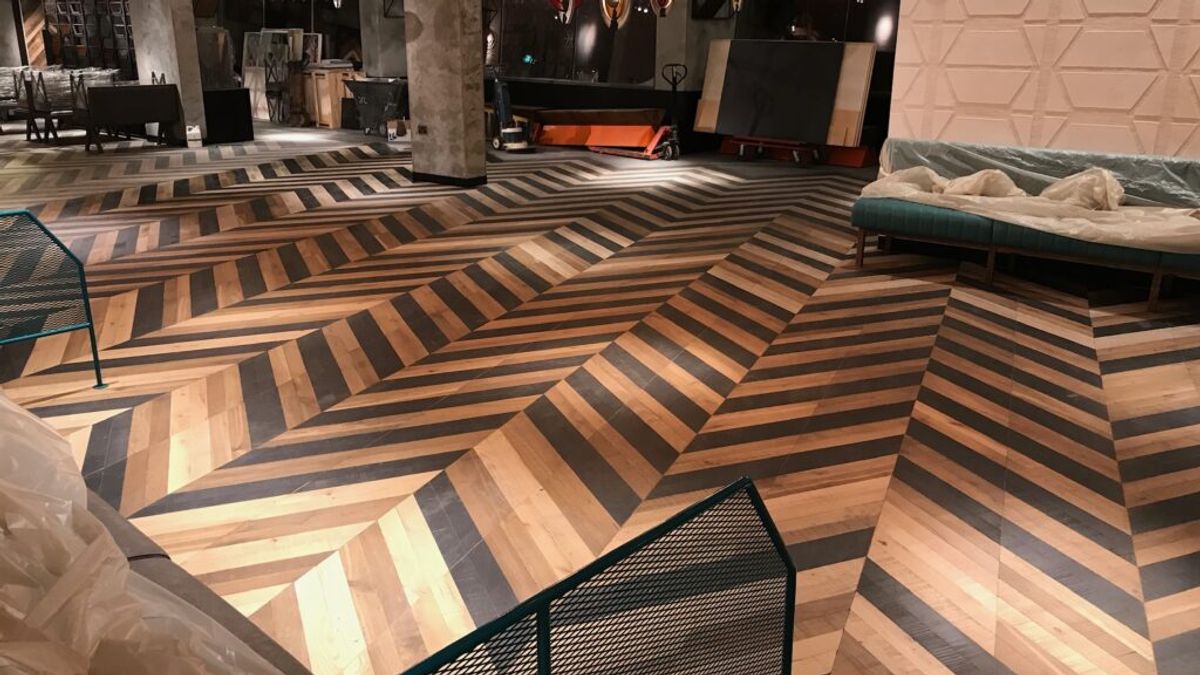
- The Reality: Herringbone patterns, large-format tiles, and intricate carpet tile layouts can require 10–15% waste to ensure pattern continuity.
- The Fix: Use digital take-off software to visualize the layout and calculate waste based on the specific material's repeat and the room’s geometry.
3. Ignoring Moisture Mitigation Requirements
Moisture is the "silent killer" of commercial flooring. If your estimate doesn't account for the time and materials needed to address slab moisture, you're inviting a massive claim later.
- The Trap: Assuming a new slab is dry enough because it "looks" ready.
- The Reality: New concrete takes months to cure, and old slabs can have hydrostatic pressure issues that delaminate adhesives.
- The Fix: Budget for RH (Relative Humidity) testing. If levels are high, your estimate must include moisture barriers or specialized high-moisture adhesives.
4. Overlooking Transition Strips and Accessories
It’s easy to focus on the thousands of square feet of broadloom and forget the hundreds of linear feet of transitions, reducers, and wall bases.
- The Trap: Forgetting the "small stuff" that adds up in both material and labor.
- The Reality: Transitioning from thick carpet to thin vinyl requires specific reducers. Matching specialized cove bases or stair nosings can be surprisingly expensive.
- The Fix: Create a standardized checklist of "Accessories & Trim" for every bid to ensure no transition is left behind.
5. Miscalculating Labor for "Off-Hours" and Logistics
In commercial settings—especially occupied offices or retail—you rarely get to work a standard 9-to-5.
- The Trap: Estimating labor based on empty-building productivity rates.
- The Reality: Night shifts, weekend premiums, elevator wait times in high-rises, and moving heavy furniture all slow down production.
- The Fix: Factor in a labor multiplier for projects that require phased work, furniture lifting, or restricted access hours.